

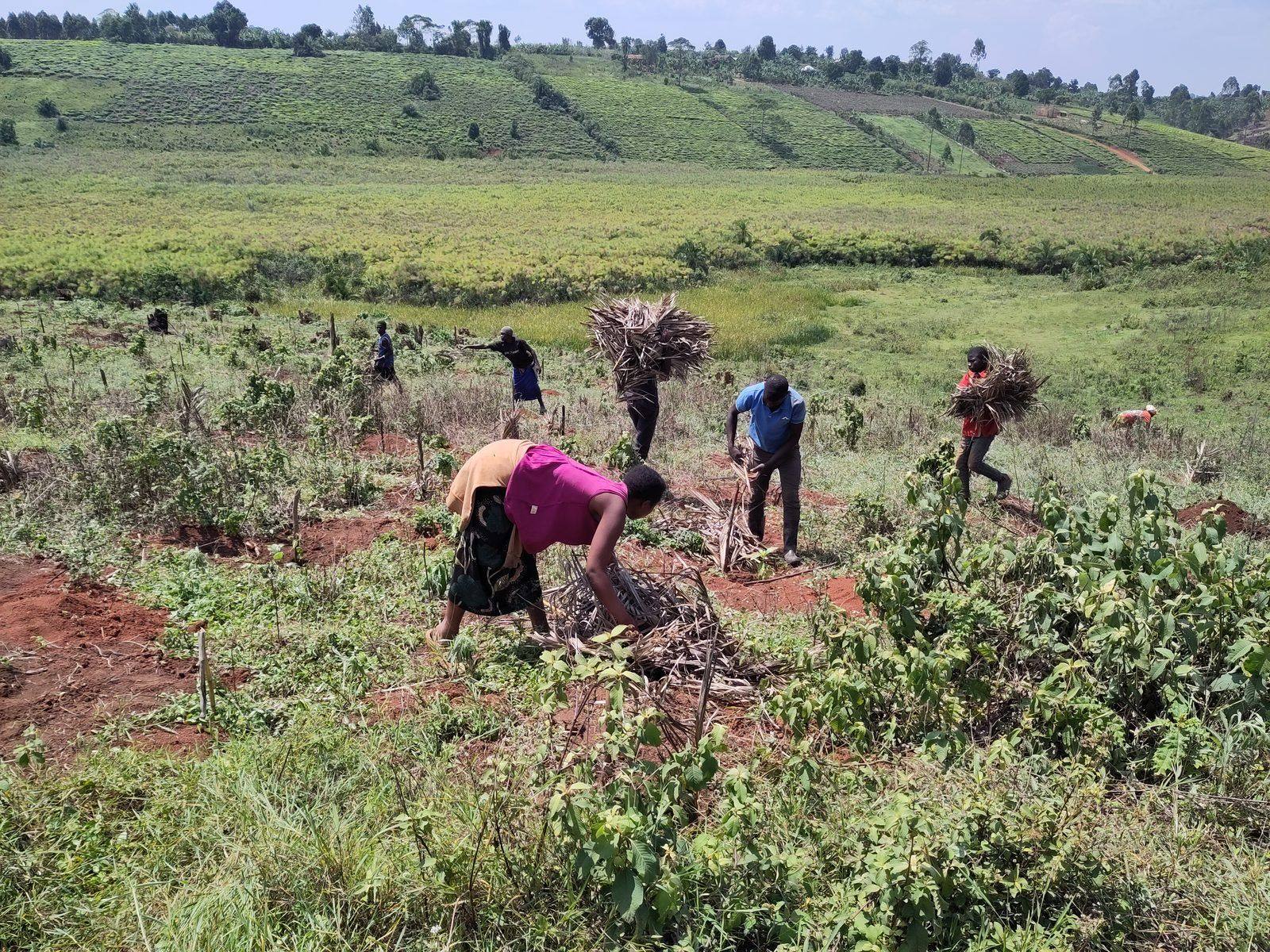
A working coffee estate built for research
RegAg Research Estate
Partner on regenerative research and social compliance
Agricultural advisory in Sub-Saharan Africa is too often theoretical: textbook guidance disconnected from local soils, climate, workers' capacities and economics.
Kawa Tamu offers the place, the people and the discipline to test and fine-tune what really works. Our team designs the trial, documents the process and the failures honestly, runs the statistics and delivers a paper with hard evidence, all grounded in commercial feasibility.
Invested, running and ready to experiment
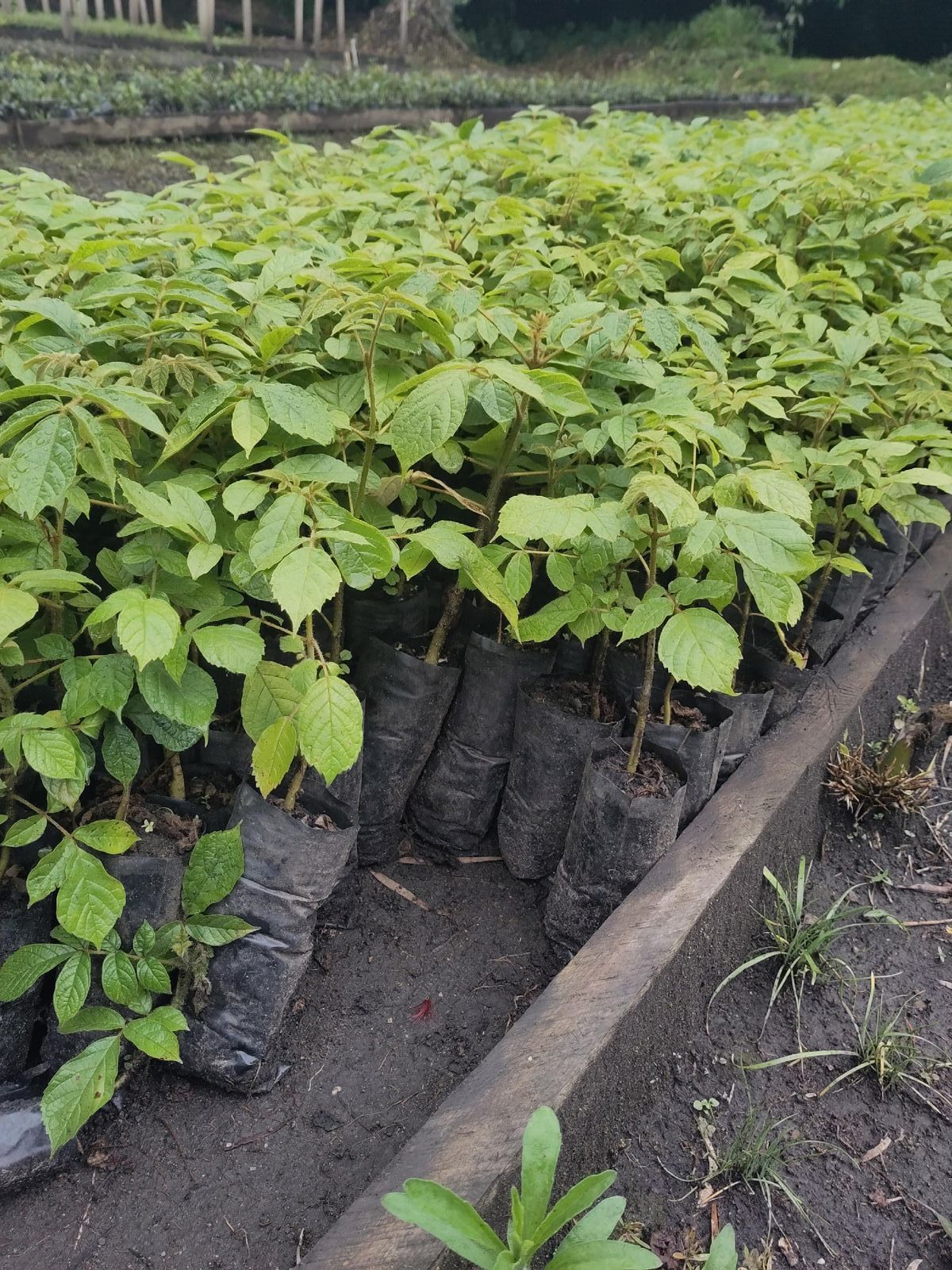
Land secured. 10 of 30 acres planted. 10 to 20 staff and a nursery on site.
Research blocks on the remaining 20 acres, then scaling through sister farms and a network of nearby smallholders.
How the estate is farmed
- 0 from Y4Low herbicide after establishmentCover cropping replaces herbicide, with zero use from Year 4.
- 10% areaEnvironmental buffer zonesAn indigenous tree corridor along the perimeter.
- On siteNutrient recyclingMinimal dependency on bought fertilizer.
- 20–30%Indigenous shade tree canopyMore than 10 indigenous tree species on the farm.
- IntegratedEnterprise integrationApiary, livestock and plantain alongside the coffee.
Block benchmark: spacing follows the UCDA/MAAIF national coffee sustainability toolkit. Alternative configurations are planted alongside to compare performance.
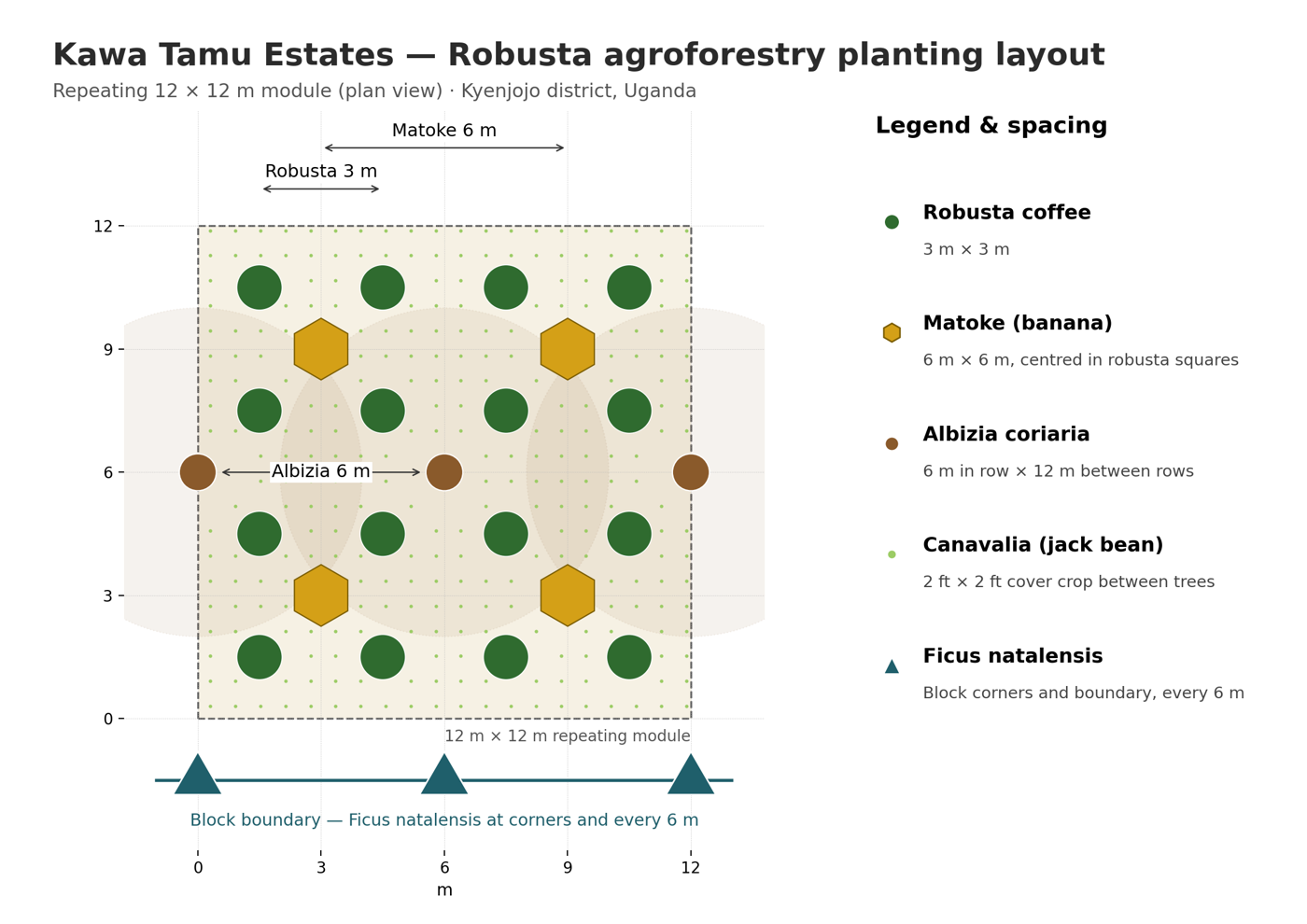
Shade trees
- Gliricidia
- Albizia coriaria
- Millettia dura
- Polyscias fulva
- Ficus mucosa
- Ficus natalensis
Fodder and mulch
- Calliandra
- Sesbania
- Elephant grass
Cover crops
- Canavalia
- Mucuna
- Desmodium
- Crotalaria
Commercial trees
- Macadamia
- Cashew
Comparing production models side by side
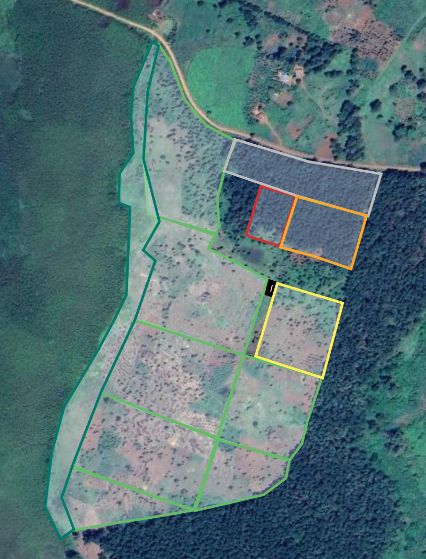
- ACover crop options and organic fertilizer options
- BAgroforestry
- CCommercial intercrop
- B/CKR clonal cross-pollination trial
Where we work with partners
Practical on-farm trials turned into validated advice
Cover crops, organic fertility, clone compatibility and variety trials, documented with costs and statistics.
Explore the research → HREDD pilotsContract, grievance and worker-committee pilots with a real workforce
A frontrunner site for human rights and environmental due diligence on a commercial Ugandan farm.
Explore the pilots →